%2Ffit-in%2F250x250%2Fguide_websites%2F59332%2Fimages%2F1767934213746chatgptimagejan9202611_35_48am.png&w=1920&q=100)
%2F%2Fusers%2F91366176-ba2f-447e-b0a6-bfa86ec134e3%2Fratecard%2Fchatgptimagejan9202612_31_50pm-mk6e4e8o.png&w=1920&q=75)
Kid Friendly Bass Fishing Charter Chesapeake Bay
Looking for a fishing trip that works for the whole family? This afternoon bass charter on the Chesapeake Bay is built around getting kids hooked on fishing without the stress. We're talking about a laid-back 6-hour adventure that starts at 2pm, so no crazy early morning wake-up calls. The captain keeps things simple, patient, and fun while you target some of the Bay's best bass fishing spots. With room for up to 2 guests, it's perfect for a parent-child duo or a small family looking to create some great memories on the water.
What to Expect on the Water
This charter is all about taking your time and doing things right. The 2pm start works perfectly for families who aren't morning people, and the captain structures everything around keeping young anglers engaged. You'll spend quality time learning the basics - proper casting technique, how to work a lure, and reading the water. The Chesapeake Bay provides an ideal classroom with its mix of grass beds, drop-offs, and structure that holds bass year-round. Don't worry about bringing anything except sunscreen and snacks - all the fishing gear, licenses, and drinking water are included. The captain's patient teaching style means everyone gets plenty of hands-on instruction, whether you're 8 or 80 years old.
Techniques That Actually Work
The beauty of this trip lies in keeping things straightforward. You'll focus on proven bass techniques that don't require years of practice to master. Think soft plastics worked slowly along grass lines, spinnerbaits over shallow flats, and maybe some topwater action if conditions are right. The captain chooses lures and methods based on what's working that day and what skill level everyone's comfortable with. Kids love the visual excitement of watching a bass blow up on a surface plug, while parents appreciate learning techniques they can use on future fishing trips. The Chesapeake's diverse structure means you'll fish everything from 3 feet of water to 15-foot drop-offs, giving everyone a feel for how bass relate to different types of cover.
Species You'll Want to Hook
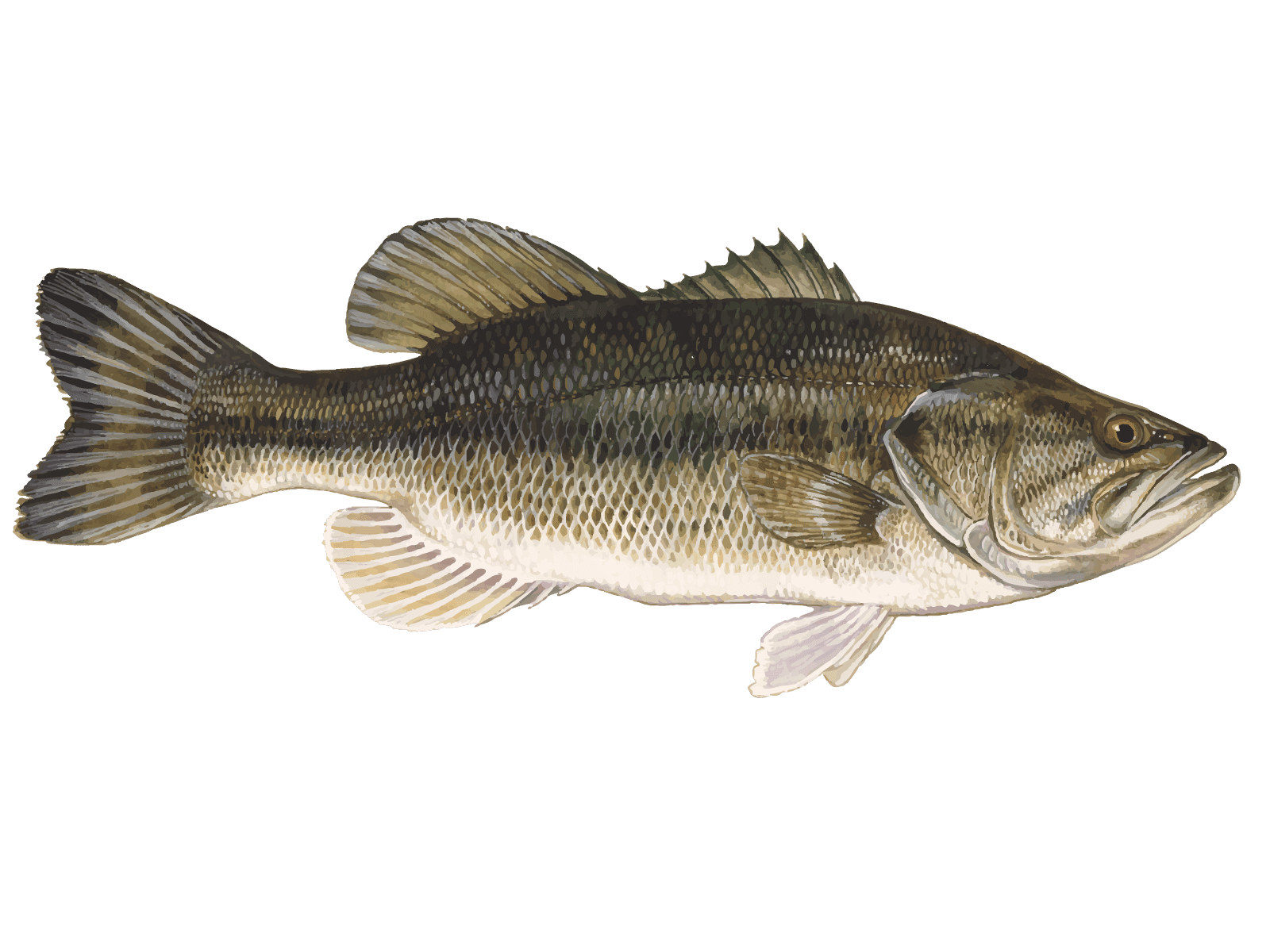
Largemouth Bass are the bread and butter of Chesapeake Bay fishing, and for good reason. These green machines love the Bay's extensive grass beds and can be caught year-round using various techniques. Spring and fall offer the most consistent action, with fish ranging from 2 to 6 pounds being common. What makes largemouth so perfect for kids is their aggressive nature - they'll often hit a lure multiple times, giving young anglers plenty of chances. The fight is exciting but manageable, and there's nothing like seeing a child's face light up when their first bass jumps.
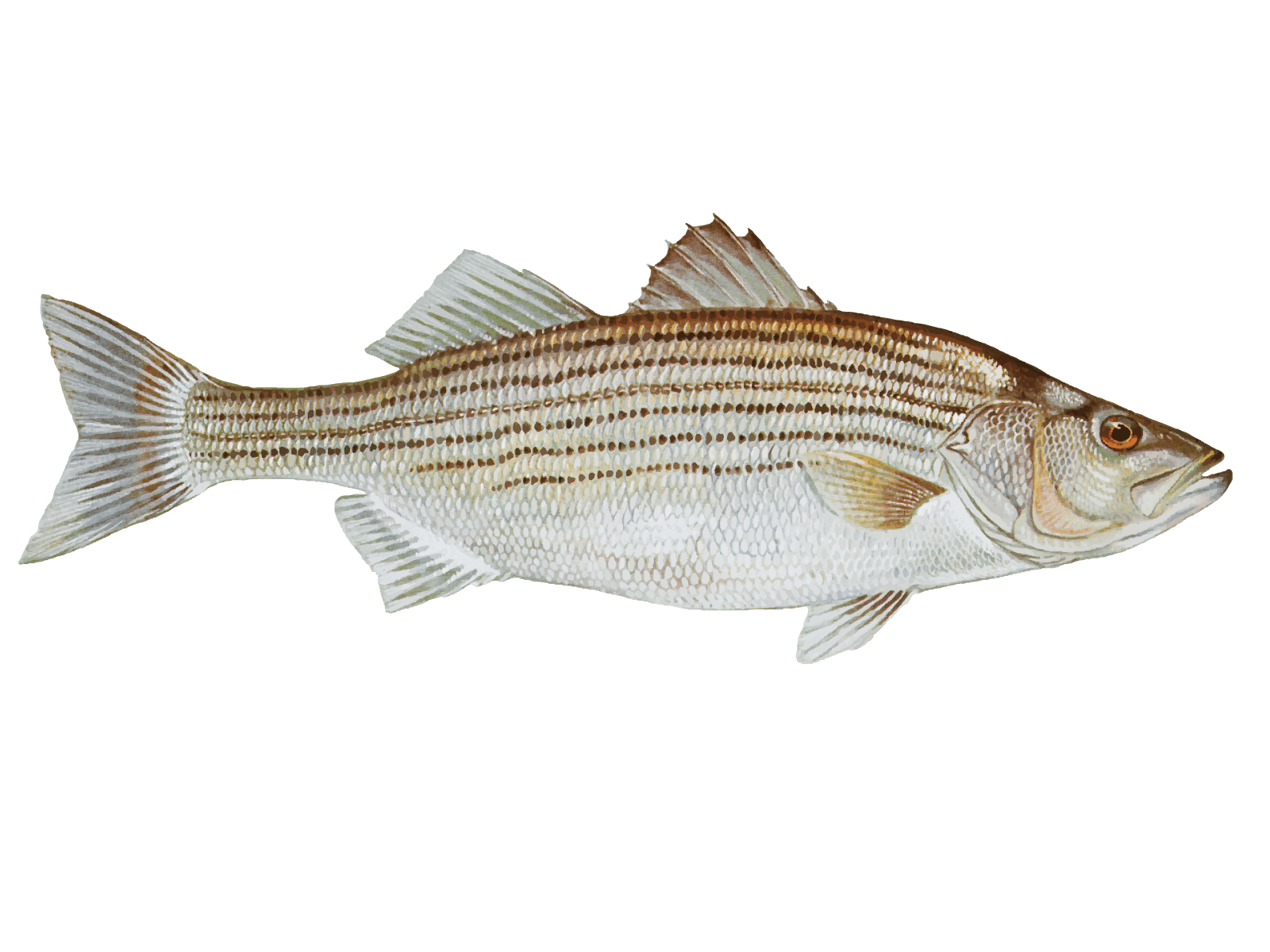
Striped Bass, or "rockfish" as locals call them, are the Chesapeake's most famous residents. These silver bullets can show up anywhere from shallow grass to deeper channels, and they're known for their powerful runs and head-shaking fights. Spring and fall migrations bring the best striper action, with fish ranging from schoolie size up to trophy proportions. For kids, landing their first striper is often a gateway to becoming a lifelong angler. The captain knows the seasonal patterns and will position you where these fish are most likely to cooperate with younger anglers.
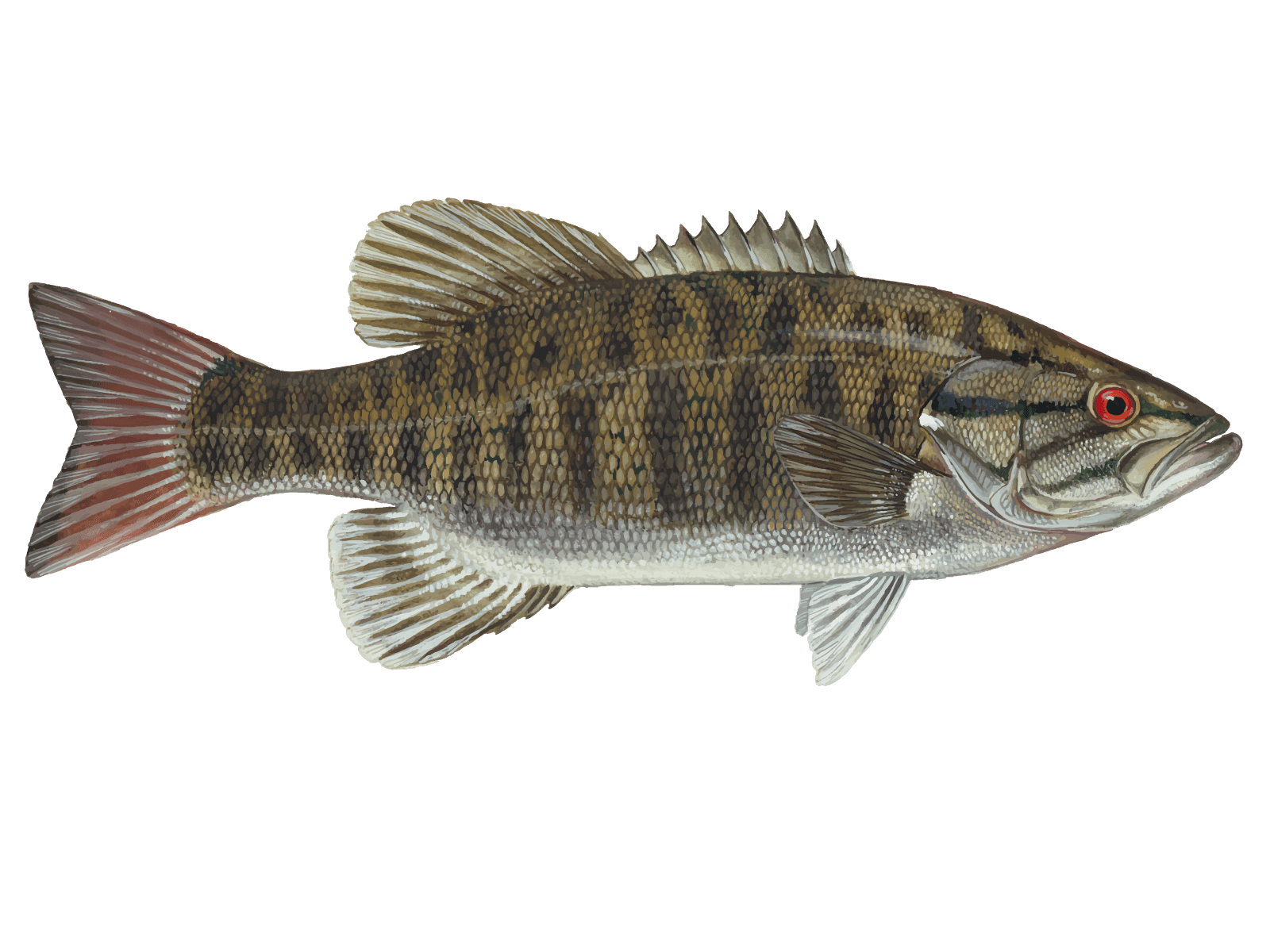
Smallmouth Bass might be the most underrated fighters in the Bay. These bronze-backed battlers prefer rocky structure and drop-offs, putting up a pound-for-pound fight that's hard to beat. Fall and spring offer prime smallmouth conditions, with fish averaging 2 to 4 pounds. What kids love about smallies is their acrobatic nature - they jump, run, and generally act like fish twice their size. The captain often saves smallmouth spots for later in the trip when young anglers have gotten comfortable with their techniques, making that first smallie even more rewarding.
Time to Book Your Spot
This kid-friendly bass charter offers something special - a chance to introduce the next generation to one of the Chesapeake Bay's top-rated fishing experiences without the pressure or pace that can overwhelm young anglers. The afternoon start time, patient instruction, and focus on proven techniques create the perfect recipe for success. Whether you're a parent looking to share your love of fishing or a family wanting to try something new together, this charter delivers memories that last long after you leave the dock. The captain's experience with young anglers shows in every aspect of the trip, from gear selection to the extra time spent on casting practice. Remember, deposits are non-refundable, so book early to secure your preferred date and get ready for an afternoon of bass fishing that might just hook your kids on the sport for life.
Learn more about the species
Largemouth Bass
These green giants with their trademark big mouths are perfect for young anglers learning the ropes. Most run 12-24 inches and 1-4 pounds, but they fight like fish twice their size. You'll find them around shallow cover - grass beds, fallen trees, and docks where they ambush prey. Spring through fall are prime times, especially early morning and evening when they're actively feeding. Kids love the visual strikes when bass explode on topwater lures. The fight is honest and fun without being too overwhelming for beginners. Here in the Bay, try working soft plastics along grass edges - largemouth can't resist a slow-moving worm dragged right past their hideouts.
Smallmouth Bass
The scrappiest fighters pound-for-pound in the Bay's tributaries. These bronze beauties typically run 12-18 inches but pack serious attitude in a compact package. Look for them around rocky bottoms, fallen timber, and deeper structure where they ambush crayfish and small baitfish. Spring and fall offer the best action when they're in shallower water, though summer fishing can be great if you target deeper holes. Kids get hooked on smallmouth because they fight so hard - multiple jumps and strong runs that keep you guessing. They're also tasty table fare with firm, mild fillets. My go-to trick: work a small tube jig slowly along rocky drop-offs - smallmouth can't resist that crawfish imitation.
Striped Bass
The Bay's most famous fighter, these silver beauties with their distinctive black stripes average 20-40 pounds but can top 50. Stripers love structure - bridge pilings, drop-offs, and channel edges where they school up chasing baitfish. Spring and fall migrations offer the hottest action when fish are actively feeding. What makes them special is that aggressive take and powerful run that gets everyone's adrenaline pumping. They're also excellent eating with sweet, firm meat. Stripers aren't picky about depth - you might catch them in 10 feet or 40 feet depending on bait and season. Pro tip: watch for diving birds and surface activity - where you see commotion, hungry stripers are usually working underneath.
About the Wanna be Angler
%2F%2Fusers%2F91366176-ba2f-447e-b0a6-bfa86ec134e3%2Fvehicle_picture%2Fimage27-mk6ciu6q.png&w=1920&q=75)
Vehicle Guest Capacity: 2
Manufacturer Name: Yamaha
Maximum Cruising Speed: 20
Number of Engines: 1
Horsepower per Engine: 250