%2Ffit-in%2F250x250%2Fguide_websites%2F59332%2Fimages%2F1767934213746chatgptimagejan9202611_35_48am.png&w=1920&q=100)
%2F%2Fusers%2F91366176-ba2f-447e-b0a6-bfa86ec134e3%2Fratecard%2Fchatgptimagejan9202612_22_28pm-mk6dgwgm.png&w=1920&q=75)
Afternoon Bass Fishing Charter Chesapeake Bay
There's something special about hitting the water when the sun's already up and you've had time to grab that second cup of coffee. This afternoon bass charter on Chesapeake Bay gives you exactly that—a relaxed 6-hour fishing adventure that starts at 2pm and runs until the golden hour. Built for up to 2 anglers, this trip focuses purely on bass fishing using techniques that work best during those prime afternoon feeding windows. Your guide knows these waters like the back of their hand and adjusts tactics based on what the bass are doing that day. All your gear, licenses, and water are covered, so you just need to show up ready to fish.
What to Expect on the Water
This isn't a rush-to-the-spot-and-hope-for-the-best kind of trip. Starting at 2pm gives your guide flexibility to read the conditions and pick productive areas based on wind, temperature, and recent fishing reports. The Bay's afternoon bite can be fantastic, especially when bass move into shallower feeding zones as the day progresses. You'll cover different structures and depths, from grass beds where largemouth love to ambush baitfish to rocky points that hold smallmouth. The pace stays comfortable with plenty of time for instruction if you're new to bass fishing or want to learn local techniques. Your guide keeps things personal—with just two guests max, you get real attention and coaching rather than being part of a crowd.
Techniques and Gear Setup
Bass fishing on Chesapeake Bay requires adapting to changing conditions throughout the afternoon, and your guide comes prepared with tackle that matches what's working. Depending on the season and water clarity, you might throw topwater plugs during the magic hour, work soft plastics along drop-offs, or cast spinnerbaits around structure. The boat carries quality rods and reels suited for different presentations—from finesse gear for finicky fish to heavier setups when bass are hitting hard. Your guide teaches you how to read the electronics, spot productive structure, and adjust your retrieve based on fish behavior. The beauty of afternoon fishing is that you often get to see the transition from midday patterns to evening feeding, which means trying different techniques as conditions change.
Top Catches This Season
Largemouth bass rule the shallow grass beds and protected coves throughout Chesapeake Bay, especially during warmer months when they're actively feeding on blue crabs, menhaden, and smaller fish. These fish hit hard and fight dirty, using every piece of cover to try and throw your hook. Most largemouth here run 2-5 pounds, but the Bay holds some real giants that can push 7 pounds or more. They're most active during spring spawn and again in fall when they're bulking up for winter. What makes largemouth so exciting is their unpredictability—they might crush a topwater plug right at the boat or follow your lure for 50 feet before deciding to strike.
Striped bass, or rockfish as locals call them, are the Bay's signature species and the reason many anglers make the trip here. These fish are built for fighting, with strong shoulders and stamina that'll test your drag system. Afternoon trips often connect with school-sized stripers in the 20-24 inch range, though keeper-sized fish over 28 inches show up regularly. Fall and spring offer the best action when stripers are actively chasing bait schools. They hit everything from live eels to large soft plastics, and when you hook one, you know it immediately. The way a striper peels line and makes long runs is what bass fishing dreams are made of.
Smallmouth bass bring something different to the table—pure aggression and aerial acrobatics that'll get your heart pumping. These bronze fighters prefer rocky structure and deeper points, especially where current creates ambush spots. They're smaller on average than largemouth, typically running 1-3 pounds, but they fight like fish twice their size. Smallmouth hit fast and jump often, making them a favorite among anglers who love visual excitement. They're most active during cooler months and tend to school up, so finding one often means finding several. Their preference for crawfish and smaller baitfish means finesse techniques often work best.
Time to Book Your Spot
This afternoon charter gives you the perfect balance of relaxed scheduling and serious bass fishing on one of the East Coast's most productive waters. With just two spots available, you get personalized attention and flexibility to fish at your own pace while learning techniques that work specifically on Chesapeake Bay. The 2pm start means you can sleep in, grab lunch, and still get a full 6 hours on the water during some of the day's best fishing. Everything's included except your enthusiasm, and deposits are non-refundable, so book early to secure your preferred date. Whether you're a seasoned angler looking to learn local patterns or someone wanting to experience world-class bass fishing without the early morning rush, this trip delivers exactly what you're looking for.
Learn more about the species
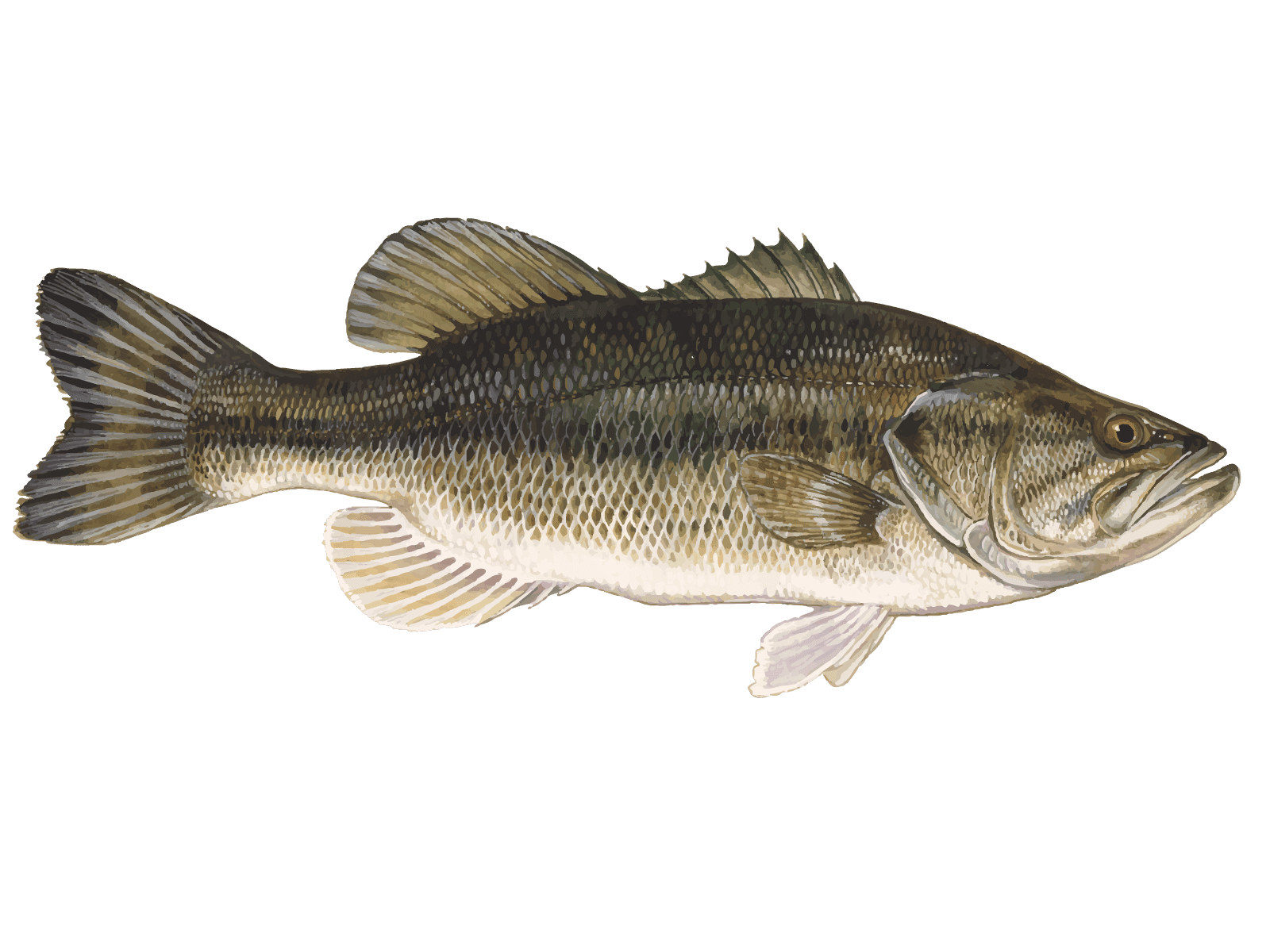
Largemouth Bass
These green-bodied fighters with their signature black horizontal stripes are what most folks picture when they think bass fishing. In the Bay, you'll typically find them running 12-24 inches and weighing 1-4 pounds, though bigger ones definitely swim around here. They love hanging near structure - docks, fallen trees, grass beds - in shallow to mid-depth water. Spring through fall offers the best action when they're actively feeding, especially during those cooler morning and evening periods. What makes largemouths special is that famous fight they put up when hooked - they'll jump, shake, and give you a real tussle. Plus they make good eating if you're looking to take some home. Here's a local trick: when you're fishing around docks, cast right up against the pilings where they like to ambush prey.
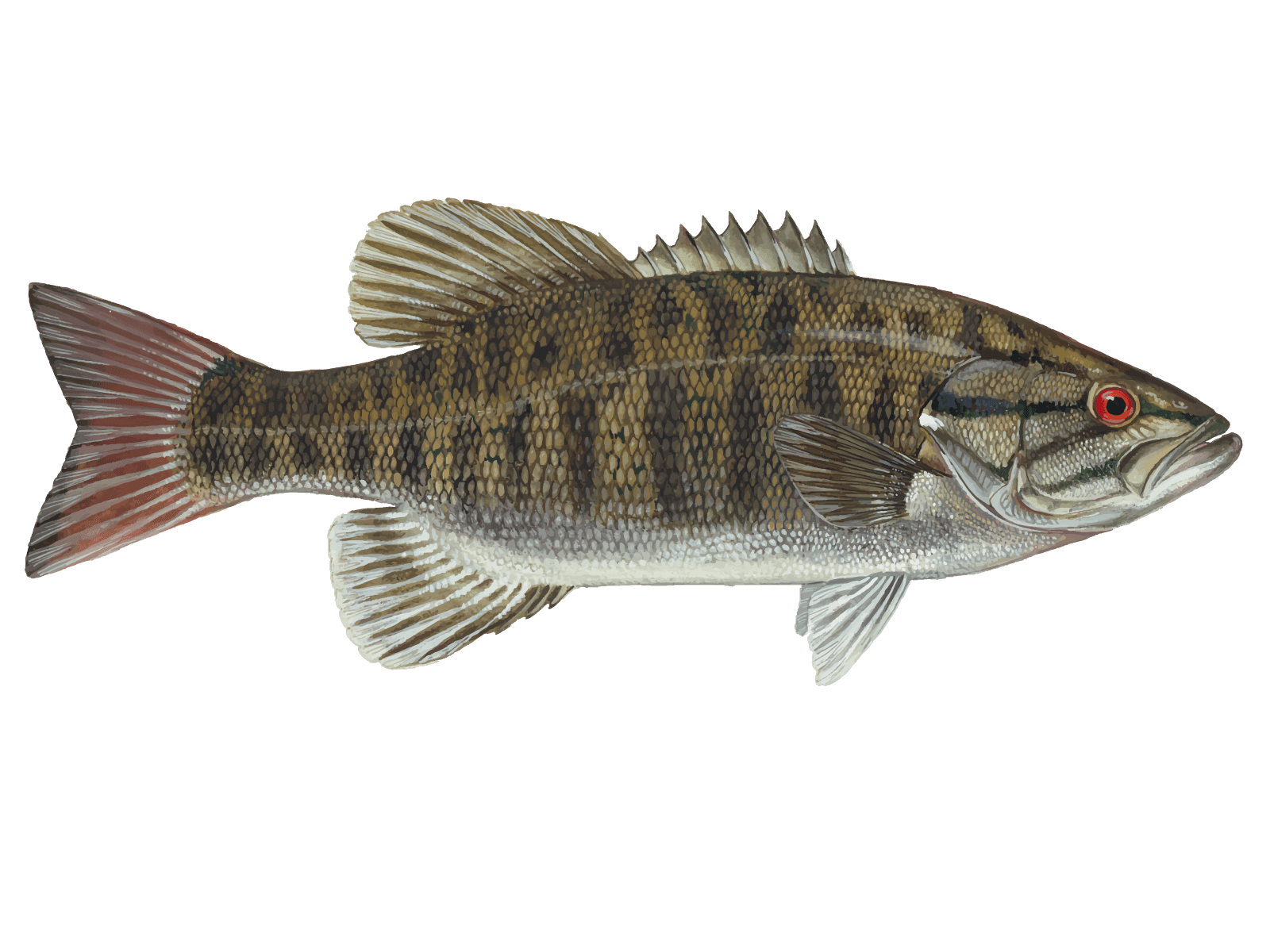
Smallmouth Bass
These bronze-backed fighters are the scrappiest bass you'll find in the Bay system. Smaller than their largemouth cousins at 12-18 inches, but they make up for it with pure attitude and fight. Look for them around rocky structure, bridge pilings, and hard bottoms in clearer water. They prefer cooler conditions, so spring and fall are prime time, plus those afternoon periods when the water temperature is just right. What sets smallmouths apart is their incredible strength for their size - pound for pound, they're the hardest fighting bass around. They'll make multiple jumps and long runs that'll test your drag. The meat is firm and tasty too. Pro tip: use smaller baits than you would for largemouths - these fish have smaller mouths but big appetites, so downsize your presentation.
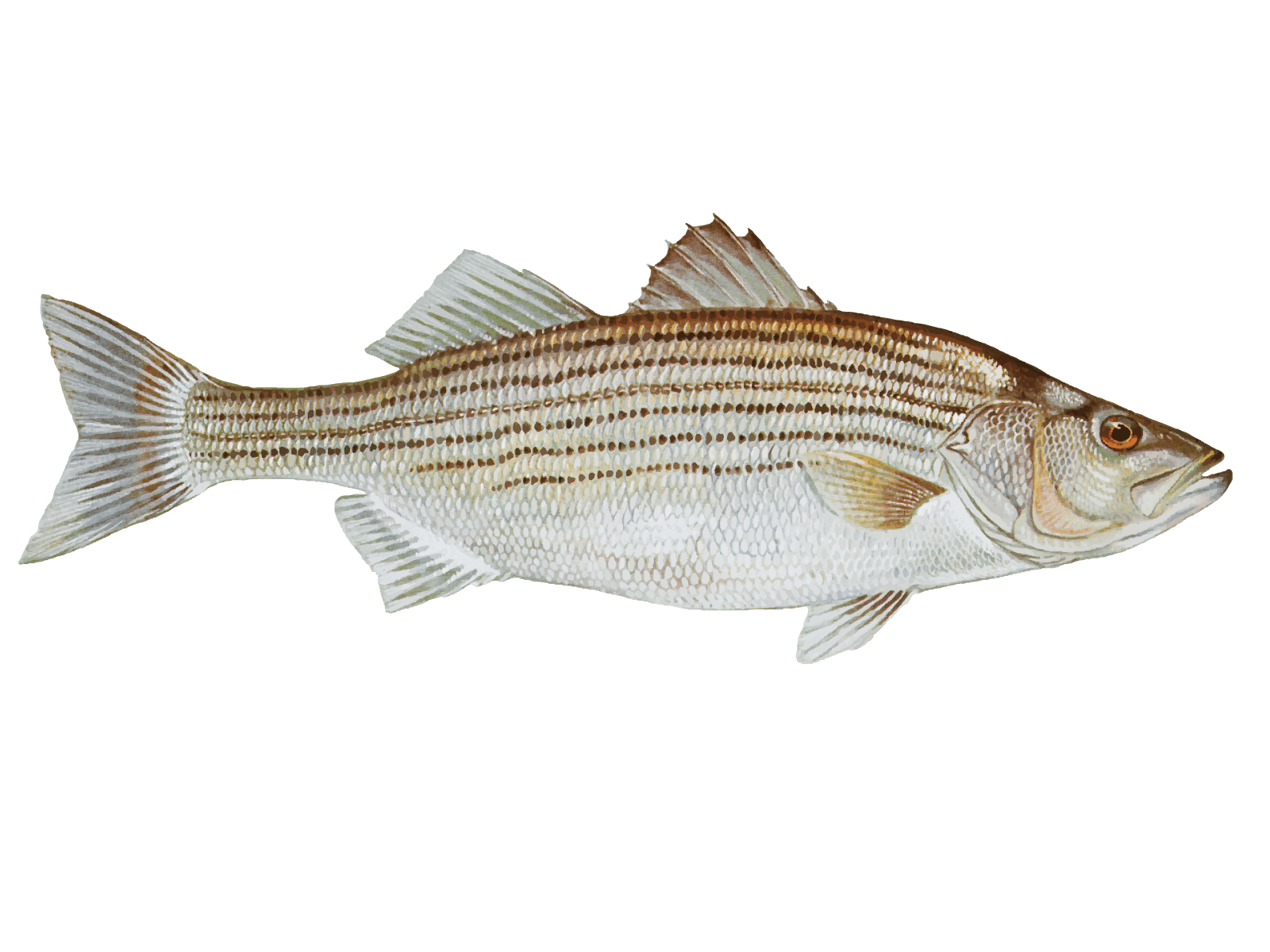
Striped Bass
The Bay's most famous resident, stripers are easily recognized by those distinctive dark stripes running along their silver sides. These are substantial fish - most we catch run 20-40 pounds, though they can get much bigger. You'll find them around structure like bridge pilings, drop-offs, and channel edges, often following baitfish schools. The afternoon timing works great since they're active feeders during changing light conditions. What makes stripers special is their powerful runs and the way they'll strip line off your reel. They're also excellent table fare with firm, sweet meat. Being anadromous, they move with the seasons and tides, which keeps things interesting. Local tip: watch for diving birds - they'll point you right to feeding stripers working baitfish near the surface.
About the Wanna be Angler
%2F%2Fusers%2F91366176-ba2f-447e-b0a6-bfa86ec134e3%2Fvehicle_picture%2Fimage27-mk6ciu6q.png&w=1920&q=75)
Vehicle Guest Capacity: 2
Manufacturer Name: Yamaha
Maximum Cruising Speed: 20
Number of Engines: 1
Horsepower per Engine: 250